
Why Concrete Cutting Blades Matter
Concrete cutting is a critical process in many construction, renovation, and demolition projects. From cutting driveways and slabs to creating access points for plumbing, electrical work, and road upgrades, precise concrete cutting helps ensure projects move forward safely and efficiently.
However, the quality of the result depends heavily on one key factor – choosing the right blade. The correct concrete cutting blades allow operators to achieve accurate cuts, maintain consistent cut quality, and complete the job faster while protecting equipment and improving safety.
Different types of blades are designed to handle specific materials, including concrete, stone, brick, and masonry. Selecting the right blade also affects cutting speed, depth, and durability.
Urban Concrete Cutting is an experienced Brisbane specialists who use professional-grade equipment and high-quality diamond blade technology to achieve reliable results.
As Company Director Nic George says, “Using the correct blade for the material and machine is critical. It affects the quality of the cut, the safety of the operation, and how efficiently the work gets done.”
In this guide, we’ll explore the main types of concrete cutting blades, when to use them, and important safety tips to consider.
What Are Concrete Cutting Blades?
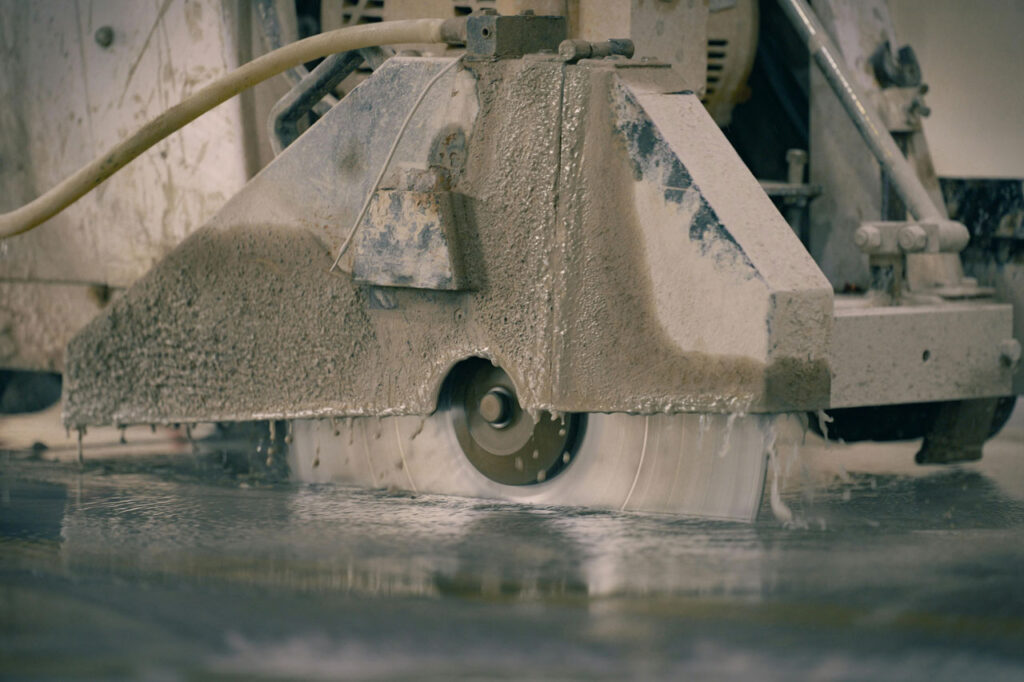
Concrete cutting blades are specialised tools designed to cut through extremely hard materials such as concrete, stone, brick, and masonry. Unlike standard saw blades used for wood or metal, most professional blades are diamond blade designs.
A diamond blade does not cut in the traditional sense. Instead, the blade grinds through materials using industrial diamonds embedded in the blade’s segments. As the blade rotates at high speed, these diamonds gradually wear away the material.
Most blades consist of several key components. The steel core provides strength and stability during operation, while the diamond segments attached to the rim perform the actual cutting. These segments are often laser-welded to ensure durability during heavy-duty work.
Different design variations allow blades to perform effectively across a range of materials, including asphalt, tile, granite, marble, and reinforced structural concrete.
Professional contractors select blades based on the materials, equipment, and cutting method required to ensure optimal working performance and long life.
The Main Types of Concrete Cutting Blades
Segmented Diamond Blades
The segmented blade is one of the most common types used for concrete cutting. These blades feature distinct diamond segments separated by wide gullets. The gaps between segments help remove debris, improve airflow, and keep the blade cool during cutting.
Segmented blades are ideal for fast cutting through hard materials such as concrete, asphalt, and stone. They are commonly used with cut off saws and walk behind saws on construction sites.
Because of their durability and efficient cooling, segmented blades are well-suited for heavy-duty dry cutting applications.
Turbo Rim Blades
Turbo rim blades combine the strength of a continuous rim with a serrated design that allows for faster cutting.
These blades provide a balance between speed and cut quality, making them useful for brick, masonry, and concrete block work. Turbo blades can deliver smoother results than segmented blades while still maintaining relatively fast cutting speeds.
Contractors often use turbo blades when a cleaner edge is required but high productivity is still important.
Continuous Rim Blades
Continuous rim blades have a smooth edge rather than separated segments. This design produces a very clean smooth finish, making them ideal for delicate materials such as tile, marble, and granite.
Because continuous rim blades generate more friction, they are typically used with wet cutting methods. The water helps keep the blade cool, reduces dust, and improves the final cut quality.
Reinforced Concrete Blades
Cutting reinforced concrete requires specialised diamond blade technology. These blades are specifically designed to handle both concrete and embedded steel rebar.
They feature stronger diamond segments and advanced bonding materials that allow them to maintain performance when encountering metal reinforcement. This ensures the blade continues cutting effectively without excessive wear or damage.
Professionals often choose reinforced blades when cutting structural slabs, foundations, and heavy construction elements.
As the Urban Concrete Cutting team explains, selecting the correct blade depends on factors such as material density, thickness, and whether the project involves wet cutting or dry cutting methods.
Choosing the Right Blade for the Job
Selecting the correct blade is essential for both safety and performance. The wrong choice can lead to slower cutting speeds, overheating, and reduced blade life.
Professionals consider several important factors when selecting concrete cutting blades.
First, the type of material being cut is critical. Concrete, stone, brick, and asphalt all respond differently to cutting. If the concrete contains steel reinforcement, a blade designed for reinforced concrete is necessary.
The depth of the cut also plays a role. Deeper cuts often require larger blades and more powerful equipment.
Another important consideration is the type of machine being used. Cut-off saws, floor saws, and walk-behind saws all require blades with specific arbour size and maximum rpm specifications to ensure safe operation.
Contractors must also decide between wet and dry cutting methods. Wet cutting uses water to control dust, keep the blade cool, and improve cut quality, while dry cutting may be more suitable for certain environments.
Urban Concrete Cutting relies on extensive on-site knowledge and experience to match the right blade with the correct equipment and material conditions.
What Is the Best Blade for Cutting Concrete?
So, what is the best blade for cutting concrete? In most professional applications, the best option is a diamond blade designed specifically for the type of concrete being cut. Diamond blades use industrial diamonds embedded in the blade segments to grind through hard materials efficiently.
The ideal blade depends on factors such as whether the concrete is reinforced concrete, the depth of the cut, and whether wet cutting or dry cutting methods are used. Contractors often use segmented blades for heavy-duty cutting and reinforced materials, while other blade types may be better suited to masonry, stone, or tile applications.
Safety Tips When Using Concrete Cutting Blades
Concrete cutting involves powerful tools and hard materials, so proper safety procedures are essential.
Before any cutting begins, operators should always inspect the blade for damage or excessive wear. Cracked or worn blades increase the risk of failure during operation.
It is also important to ensure the blade is compatible with the machine being used. Checking arbour size, maximum rpm, and manufacturer specifications helps prevent dangerous equipment issues.
Workers should always wear appropriate personal protective equipment, including eye protection, gloves, hearing protection, and respiratory protection when necessary.
Where possible, wet cutting should be used to reduce airborne dust. Concrete dust may contain crystalline silica, which can present serious health risks if inhaled over time.
Securing the work area is another critical step. Ensuring the surface is stable and removing loose debris helps prevent accidents during cutting.
Operators should also avoid forcing the blade through the material. Allowing the diamonds and blade segments to work at their intended speed helps maintain cutting efficiency and prolong blade life.
Urban Concrete Cutting prioritises safe work practices and follows strict industry safety standards on every project.
When to Call a Professional Concrete Cutting Contractor
While some cutting tasks may appear straightforward, many projects require specialised equipment and trained operators.
Professional contractors are often needed for structural concrete cutting, reinforced concrete slabs, and deep or precision cutting tasks.
Complex projects may also involve creating control joints, cutting thick slabs, or working around existing infrastructure such as pipes and cables.
Hiring experienced professionals provides several benefits. Contractors can complete work faster, achieve more accurate results, and reduce the risk of structural damage.
They also have access to high-performance equipment and a wide range of specialised concrete cutting blades designed for specific materials and cutting conditions.
As the Urban Concrete Cutting team says, “Experience plays a huge role in concrete cutting. Knowing which blade to use and how to approach each job safely makes a significant difference to the outcome.”
Why Experience Matters in Concrete Cutting
Experience is one of the most valuable assets in the concrete cutting industry. The ability to select the correct blade, cutting method, and equipment can significantly impact project outcomes.
Urban Concrete Cutting was established in 2020 and is led by Nic George, who brings over 15 years of hands-on industry experience.
The company focuses on delivering reliable services, strong communication, and dependable results for clients across Brisbane.
Experienced contractors understand how different materials behave during cutting and how to match the right diamond blade with the correct machine and cutting conditions.
This expertise allows professionals to deliver safer, cleaner, and more efficient cutting results on every job.
Choosing the Right Concrete Cutting Blade for Safe and Efficient Results
Choosing the right concrete cutting blades is essential for achieving accurate, efficient, and safe results. The correct blade improves cutting speed, extends equipment life, and reduces the risk of damage or accidents.
For complex or large-scale projects, working with experienced professionals ensures the right tools and techniques are used.
If you need reliable concrete cutting services in Brisbane, contact Urban Concrete Cutting to speak with an experienced team who can deliver precise and dependable results.