
Key Takeaways
- Concrete dust can pose a serious threat to human health, mostly due to the presence of the toxic substance, crystalline silica.
- Crystalline silica dust exposure has been associated with serious, life-threatening health conditions in the respiratory, cardiovascular, and renal systems.
- Never undertake concrete cutting or drilling work yourself: always engage a professional to avoid endangering yourself, your family, or your workers.
Introduction
You could be putting yourself at risk when you do your own concrete cutting work. As research advances into the safety practices and dangers around concrete dust exposure, we’re getting a better idea of the health impacts – possible and confirmed. Don’t think that just because you’re not engaging in large-scale concrete cutting that you’re not at risk: even smaller projects involving drilling, grinding and polishing concrete can give rise to dangerous airborne particles. As well as giving you the essential background, we’ll emphasise what safety measures need to be taken and how a professional concrete cutting service is the best solution for you.
We’ll give our advice across the board: from defining best practice, to helping you understand the risks and the health impacts that result when you don’t follow safety protocols.
What is Concrete Dust?
All concrete contains potential health hazards – hazards that aren’t present when you’re around intact, dried products. These health hazards come about when concrete dust is borne into the air – through cutting, grinding, demolition or drilling. You’ll find potentially dangerous compounds including silica (crystalline silica).
You’re at risk at all stages of the concrete lifecycle – you can even gain exposure to concrete dust during the demolition process or during the recycling process. So, if you’re thinking of undertaking a DIY demolition, you need to understand that you’re not exempt from the significant risks.
Why is Concrete Dust so Dangerous?
Health Risks of Concrete Dust Exposure
The main health risk comes from silica dust – crystalline silica is extremely detrimental to human health. We’ll focus here on the well-documented impacts of silica dust in particular, as it is widely recognised as the most dangerous compound – and the component that’s most difficult to mitigate the risks of.
The impacts are many-layered – from the superficial all the way through to chronic and potentially fatal conditions.
Short-term exposure health risks
Short-term exposure to concrete dust is still dangerous. You might experience nasty skin irritation, as well as abrasive sensations in your eyes, nose, and throat. Even using safety equipment like masks and eye coverings can’t completely negate these risks.
Long-term exposure health risks
The heart and lungs can experience significant stress and damage as a result of long-term exposure to concrete dust. Conditions including the incurable silicosis, or Chronic Obstructive Pulmonary Disease (COPD), are strongly linked to silica dust exposure. On top of this, crystalline silica is a known carcinogen – exposure to this dust is associated with lung cancer, especially in those who are frequently exposed.
Silica Dust: The Most Dangerous Component
What is crystalline silica?
Crystalline silica is, in fact, a naturally occurring compound that’s found in rock, stone, and even sand. But, like asbestos which is also naturally occurring, it presents a significant risk when it becomes ‘respirable’: when the dust particles become airborne and small enough to be inhaled by humans. The structures in crystalline silica are extremely tough and strong: this makes them exceptional for construction, but very dangerous for humans when they become lodged in the lungs.
How does it end up in the body?
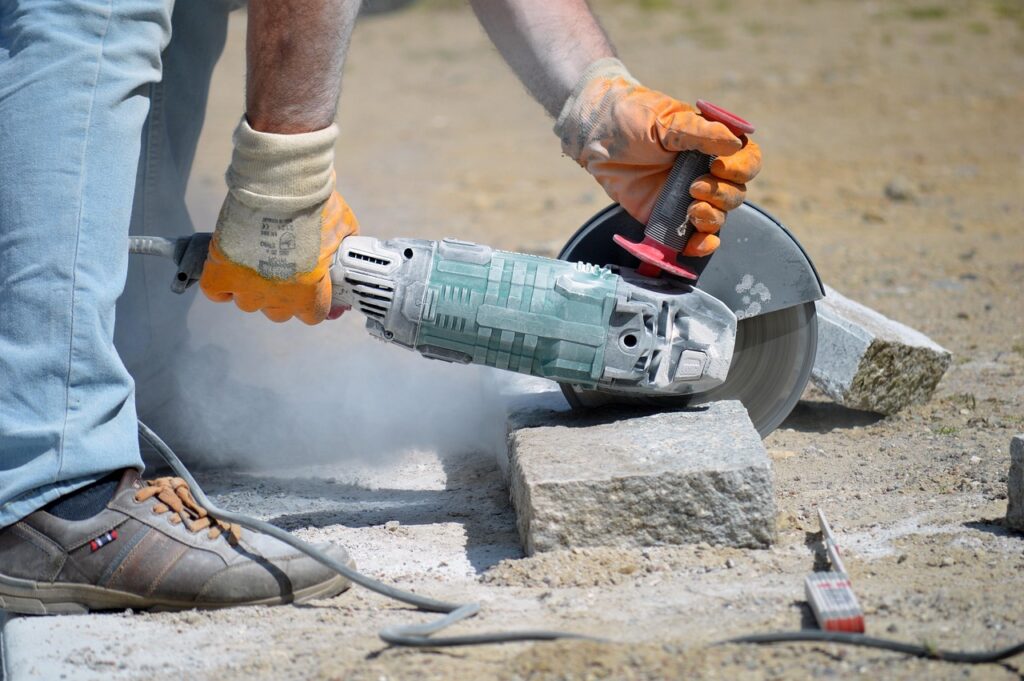
The forces of cutting, drilling, and grinding break the particles of concrete into microscopic particles. These particles then become suspended in the air – for hours upon hours at a time. They can adhere to clothing, hair, and skin, creating ongoing contamination dangers.
While not all of the particles are respirable, the finest particles are small enough to embed themselves deep in the lungs. Exposure to concrete dust has also been linked to an increased risk of kidney and heart disease.
How Concrete Dust Affects the Body
Respiratory System Impact
These tiny particles are then inhaled and settle deep within the lungs. There, their abrasive nature causes everything from obstruction to tissue scarring and inflammation. The two most dangerous lung conditions that result from this exposure are silicosis and chronic obstructive pulmonary disease.
Silicosis is the inflammation and scarring of lung tissue, resulting in breathing difficulties and obstruction. Chronic obstructive pulmonary disease includes diseases such as emphysema and bronchitis. These conditions, too, cause breathing difficulties that intensify over time.
Cardiovascular and Kidney Impact
There are strong links between heart disease, high blood pressure, and kidney damage. This is thought to be the result of chronic inflammation, the toxicity of silica dust and the associated autoimmune response that occurs when silica dust enters the body.
Skin, Eye, and Throat Irritation
While they might seem mild in comparison to silicosis, or internal organ impacts, the risks to your membranes like your skin, eyes, and throat, should not be ignored. Silica dust can cause chronic scleroderma, the hardening of the skin thought to be caused by the immune system attacking its own cells. This is thought to be not just the result of contact with concrete dust, but the internal impact of inhaling concrete dust particles.
Who is Most at Risk?
It makes sense that the higher the frequency of your exposure, the higher your risks. It is no surprise that those most at risk of concrete-dust-related disease are those who regularly work with concrete: drillers and concrete cutters.
But DIY renovators are still at a high level of risk: especially as this group almost never have access to the highly specialised techniques and equipment needed to minimise the risks of concrete dust inhalation.
These safety measures are stringent and complex to execute: it’s never a good idea to attempt them yourself or to cut corners by implementing only a few of them. Urban Concrete Cutting is able to offer a full suite of safety measures with highly trained staff – we are extremely capable of negating the risks for you and your space.
Even choosing an inexperienced or ill-equipped concrete cutting solution can pose risks – choose the specialists and their experience every time to ensure you’re not putting yourself, your workers, or your family in danger.
Workplace and Australian Safety Standards
Safe Work Australia dictates that workplace exposure to respirable crystalline silica must be kept at levels as low as practically possible and must not exceed 0.05 mg/m3 (eight-hour time-weighted average).
Employers are obligated to maintain high standards of protection for their workers: details of common protective measures and risk management strategies are included below.
How to Protect Yourself from Concrete Dust
Personal Protective Equipment (PPE)
While PPE alone isn’t sufficient to prevent complications from silica dust inhalation, it’s a crucial part of the process when it comes to protecting workers and your site.
The layers of protection needed are many-layered and start with respiratory protection. People in environments with concrete dust exposure need to wear P2 or N95 masks or respirators, as well as safety goggles and gloves.
Silica dust commonly clings to clothing, allowing the airborne dust to be carried home by the worker, so even dust-resistant coveralls are important.
How Urban Concrete Cutting Minimises Silica Dust
We have safety strategies in place to ensure our workers (and you) are safe at all stages of the process. Here’s how we manage and minimise the risks of silica dust.
- Wet cutting and drilling: In this method, dust is turned into a wet slurry instead of an airborne risk by feeding water over the cutting blade or drill bits. Most cutting and drilling is done using water as a dust-suppression method.
- Wet vacuum cleanup: We immediately clean up the slurry that comes from wet cutting and drilling – and capture any possible stray dust with a wet vacuum.
- H-Class dust extractors: These dust extractors are highly effective in removing silica dust from the air and can capture over 99.9% of particles
- Regular equipment maintenance: When dealing with such tiny particles, precision is essential. We regularly maintain and update equipment to ensure that our dust control systems are in top shape: we check and replace seals, and identify any signs of equipment degradation before it becomes a problem.
Health Monitoring and Early Detection
For workers regularly exposed to silica dust, regular monitoring from a health professional is essential. The Safe Work Australia guidelines presently state that employers must provide health checks to their workers if they are exposed to silica dust, including collecting health, demographic data, and exposure data, as well as standardised respiratory function tests. It’s important for both workplaces and individuals to be vigilant of the symptoms of silicosis: shortness of breath, persistent cough, weakness and fatigue. If these symptoms arise, workers should seek medical attention and advice to determine if silicosis is the cause.
Why it is Safer to Hire Professionals
With the seriousness of silicosis and other progressive respiratory conditions, it’s clear that the risk is too great for DIY workers. Professionals can take the necessary precautions: using appropriate personal protective equipment, following Safe Work guidelines, and using water suppression systems, dust extractors, and wet vacuums. This is not to mention the precision and technical skills required to cut concrete competently – trying DIY or using an inexperienced practitioner is never worth it.
The Verdict
While DIY might seem like a cheaper option, the risks are too large to ignore. Concrete dust – especially crystalline silica – can have life-threatening consequences. By side-stepping safe measures, you’re putting your life at risk – and the lives of those on your site. Choosing a professional concrete cutter with the right training, equipment, and processes is the safest way forward. Urban Concrete Cutting is equipped to get the job done – safely, and efficiently every time.
There’s no reason to risk your health or site safety with DIY concrete cutting – trust the experts. Get started with a free quote and enjoy the peace of mind that comes with choosing an experienced provider.